
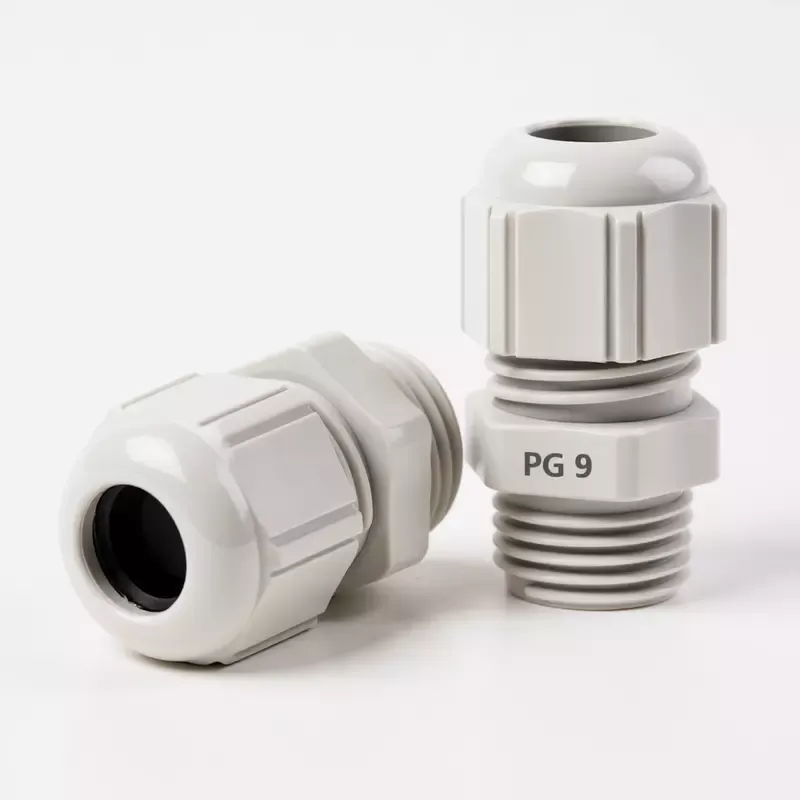
Choosing the right cable glands is important for maintaining electrical safety in industrial, commercial, and residential installations. Cable glands secure cables where they enter electrical equipment, control panels, and enclosures. They also help provide strain relief and maintain the required level of protection against environmental conditions. Selecting an unsuitable cable gland can lead to loose connections, cable damage, or reduced enclosure protection.
1. Provides Secure Cable Entry
Cable glands help hold cables firmly in place at the point where they enter an electrical enclosure. A correctly selected gland reduces unnecessary movement and helps prevent tension from reaching electrical terminals. This is particularly important in industrial facilities where equipment may experience vibration or frequent movement. Choosing the right gland size ensures a secure fit around the cable.
2. Helps Protect Against Dust and Moisture
Electrical installations often operate in environments where dust, water, and humidity can affect equipment performance. Suitable cable glands help maintain the enclosure's required ingress protection when correctly installed with compatible cables and enclosures. Before purchasing, check the gland's IP rating and confirm that it meets the environmental requirements of your application. Outdoor and industrial installations may need additional protection against harsh conditions.
3. Reduces the Risk of Cable Damage
Incorrectly sized cable glands can place unnecessary pressure on cable insulation or fail to provide adequate support. Over time, this may contribute to wear, damage, or loose cable entry points. Selecting a gland that matches the cable's outer diameter helps provide proper sealing and support. Always check the manufacturer's specifications before choosing a suitable product.
4. Supports Electrical Safety
Cable glands play an important role in maintaining the integrity of electrical installations. In suitable applications, correctly specified glands help preserve enclosure protection and prevent cables from becoming loose. Certain metallic cable glands can also provide an earthing or bonding function when designed and installed for that purpose. The appropriate gland must meet the relevant electrical requirements and installation standards.
5. Helps Meet Installation Requirements
Different applications require different cable gland materials, designs, and protection ratings. Brass cable glands may be suitable for many industrial installations, while other materials may be preferred in specific environments. Hazardous areas require appropriately certified glands and careful selection based on the cable type and protection method. Checking compatibility before installation helps avoid costly errors and unnecessary replacements.
Choose the Right Cable Glands for Your Project
Cable gland selection affects cable security, environmental protection, and the overall reliability of an electrical installation. Consider cable diameter, material, thread type, environmental conditions, and required protection ratings before making a decision.
For suitable products and technical specifications, explore Raiden Electric's cable glands range. Choosing the right cable glands and ensuring correct installation can help support safer, more reliable electrical connections.