
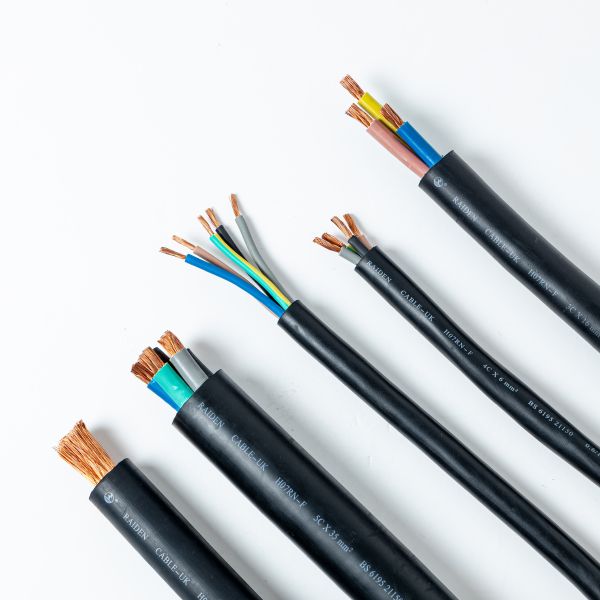
In demanding electrical environments where safety, flexibility, and durability are non-negotiable, H07RN-F flexible rubber cables have become a trusted solution across the UK. From construction sites and industrial plants to outdoor events and heavy-duty machinery, these cables are designed to perform reliably even under tough mechanical and environmental stress. Understanding how H07RN-F flexible rubber cables are used, where they perform best, and what to look for in a supplier can help engineers, contractors, and procurement teams make confident, long-term decisions.
Understanding H07RN-F Flexible Rubber Cables
H07RN-F flexible rubber cables are harmonised cables manufactured to European standards and widely accepted across the UK market. The designation itself provides insight into the cable’s capabilities. “H” indicates harmonisation, while “07” refers to a rated voltage of 450/750V. “RN” signifies a robust rubber insulation and sheath, and “F” confirms the cable’s flexible, multi-stranded copper conductor design.
What sets these cables apart is their construction. The conductor is typically made from fine stranded copper, allowing excellent flexibility without compromising current-carrying capacity. The insulation and outer sheath are usually based on EPR or similar rubber compounds, offering resistance to abrasion, oils, moisture, and temperature extremes. This combination makes H07RN-F flexible rubber cables particularly suitable for environments where cables are frequently moved, bent, or exposed to harsh conditions.
Why H07RN-F Cables Are Widely Used in the UK
In the UK, electrical installations often face variable weather conditions, strict safety regulations, and demanding site requirements. H07RN-F flexible rubber cables are designed with these challenges in mind. They perform reliably in both indoor and outdoor applications, maintaining flexibility in cold temperatures while resisting degradation in heat.
Another reason for their popularity is compliance. These cables meet harmonised European standards and are commonly accepted under UK wiring regulations for temporary and permanent power applications. Their robustness reduces the risk of insulation failure, making them a safer choice in environments where mechanical damage or exposure to contaminants is a concern.
Industrial and Construction Applications
One of the most common uses of H07RN-F flexible rubber cables in the UK is within the construction and industrial sectors. On construction sites, power tools, portable equipment, and temporary electrical supplies require cables that can withstand constant movement, dragging, and occasional impact. The tough rubber sheath of H07RN-F cables offers excellent protection against cuts and abrasions, helping maintain electrical integrity over time.
In industrial settings, these cables are frequently used to connect machinery, motors, and control panels. Factories and workshops often expose cables to oils, grease, and vibration, all of which can degrade standard PVC cables. H07RN-F flexible rubber cables are specifically designed to resist these conditions, making them a reliable option for continuous operation in production environments.
Outdoor, Event, and Temporary Power Installations
Outdoor electrical applications place unique demands on cabling, particularly in the UK where rain, temperature fluctuations, and uneven terrain are common. H07RN-F flexible rubber cables are widely used for outdoor power distribution, including site generators, temporary power boards, and lighting systems.
They are also a preferred choice for event infrastructure such as festivals, exhibitions, and outdoor venues. In these scenarios, cables are often laid on the ground, exposed to foot traffic, and repeatedly installed and removed. The flexibility and mechanical strength of H07RN-F flexible rubber cables reduce the risk of damage during setup and dismantling, while their weather resistance ensures consistent performance throughout the event.
Marine, Agricultural, and Specialist Uses
Beyond mainstream construction and industrial applications, H07RN-F flexible rubber cables are also used in marine and agricultural environments across the UK. Farms rely on these cables for mobile equipment, irrigation systems, and temporary power in outdoor areas where moisture and mechanical stress are unavoidable. Similarly, in marine or dockside applications, the rubber sheath offers improved resistance to damp conditions compared to standard alternatives.
In specialist applications such as welding equipment, stage lighting, and heavy-duty extension leads, the flexibility and current-handling capability of H07RN-F cables make them a practical and safe solution.
Choosing the Right H07RN-F Cable Supplier in the UK
Selecting the right cable is only part of the equation. Choosing a reliable manufacturer or supplier is equally important to ensure consistent quality, compliance, and long-term performance. In the UK market, buyers should look for suppliers who understand industry-specific requirements, provide clear technical specifications, and maintain consistent manufacturing standards.
Companies like Raiden Industries are known for supplying robust and compliant cable solutions tailored to demanding applications. When sourcing H07RN-F flexible rubber cables, it is essential to consider factors such as conductor quality, sheath formulation, testing standards, and the supplier’s experience in serving UK industrial and commercial sectors. A reputable manufacturer will also offer technical guidance, helping buyers select the correct cable size and specification for their application.
Long-Term Benefits of Using H07RN-F Flexible Rubber Cables
Investing in H07RN-F flexible rubber cables delivers long-term value. Their durability reduces maintenance and replacement costs, while their safety performance helps minimise downtime and risk on site. For engineers and contractors, using a cable designed for harsh conditions provides peace of mind and supports compliance with UK electrical standards.
Because these cables are suitable for a wide range of environments, they also simplify procurement. Instead of stocking multiple cable types for different applications, many organisations rely on H07RN-F flexible rubber cables as a versatile, all-round solution.
Conclusion
H07RN-F flexible rubber cables play a vital role in powering the UK’s construction sites, industrial facilities, outdoor installations, and specialist applications. Their strength, flexibility, and resistance to harsh conditions make them a dependable choice for professionals who demand safety and performance without compromise. When selecting these cables, equal attention should be given to the quality of the manufacturer or supplier. To ensure reliability, compliance, and long service life, it is always wise to choose a reliable manufacturer in the UK.