
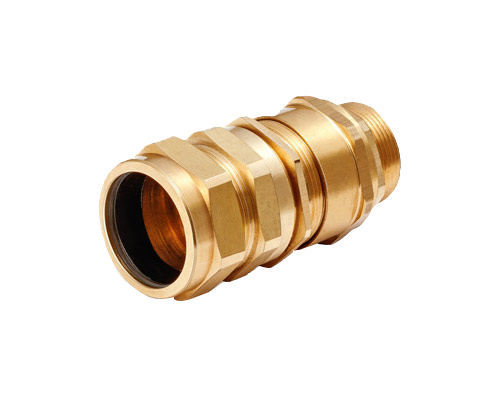
Cable glands are essential components in any electrical installation, designed to secure and protect cables as they enter electrical enclosures. Their main job is to provide strain relief, sealing, and environmental protection. In industrial and commercial wiring systems, using reliable products like high quality cable glands helps maintain safety and long-term performance in demanding conditions.
Choosing the Right Cable Gland
Before installation, selecting the correct gland is very important. Factors such as cable diameter, insulation type, and surrounding environment must be considered. For example, outdoor or industrial applications often require metal glands with higher IP ratings to resist moisture, dust, and vibration. A correct selection ensures a safe and durable connection.
Preparing the Cable Properly
Start by carefully stripping the outer sheath of the cable. The insulation should be removed only to the required length so that internal conductors are not damaged. Any dirt, oil, or moisture should be cleaned before installation. Proper preparation ensures a tight seal and prevents future electrical faults.
Assembling the Cable Gland
A cable gland usually consists of multiple parts such as a locknut, sealing ring, and body. Before inserting the cable, all components must be placed on the cable in the correct order. Missing this step can lead to improper sealing and installation failure.
Inserting and Positioning the Cable
Once assembled, insert the cable into the gland body and guide it into the enclosure or junction box. The cable should be straight and properly aligned to avoid stress on the connection point. Correct positioning ensures that the sealing mechanism works effectively.
Tightening for Secure Fit
After positioning, tighten the gland carefully using a suitable spanner. The sealing nut compresses the rubber or elastomer seal around the cable, ensuring protection against dust, water, and mechanical strain. Over-tightening should be avoided as it may damage the cable insulation.
Final Inspection and Safety Check
After installation, gently pull the cable to confirm it is firmly secured. Check the sealing and ensure the gland is properly fitted into the enclosure. A correctly installed cable gland improves system safety and reduces maintenance issues over time.
Importance of Quality Products
Using high-quality cable glands from trusted manufacturers like Raiden Electric cable glands ensures better durability, higher safety standards, and long-term reliability in industrial environments.